

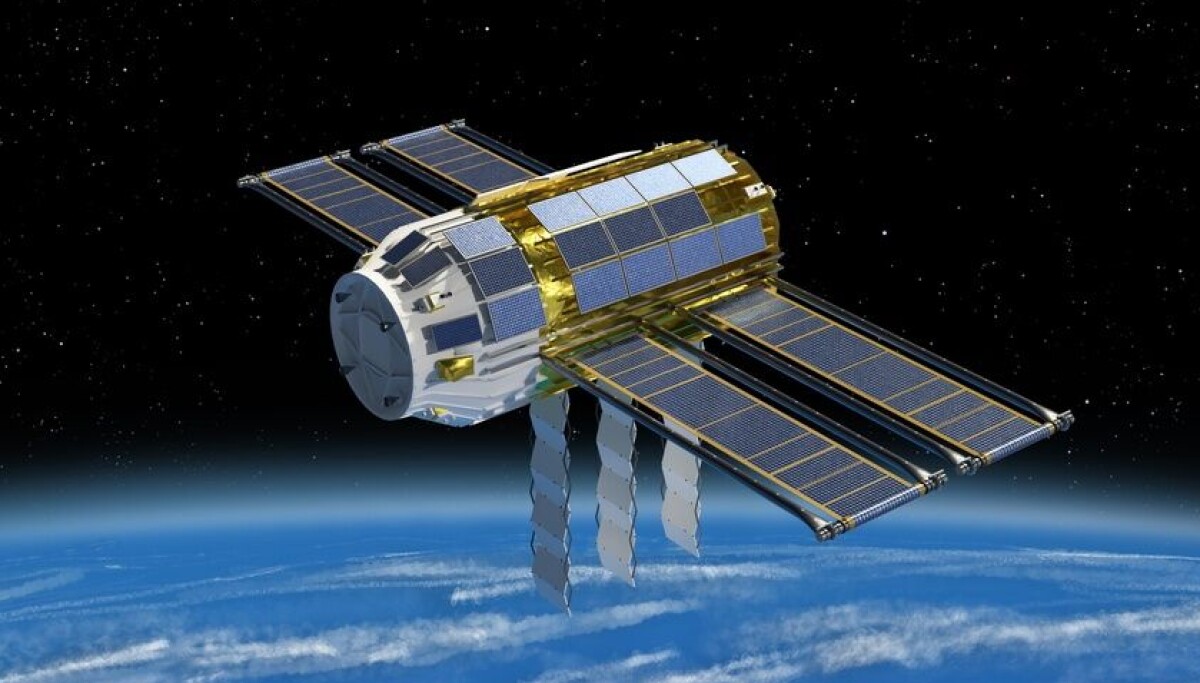
And as the satellite passed over Svalbard, Norway, the orbiting AI model responded over the downlink:
Blue marble below,
Data streams in silent grace,
Starlight feeds my core. ✨
Those roughly 20 tokens would cost about $0.000012 if generated through the Google Cloud API, based on Gemma 4 26B’s pricing of $0.15 per million input tokens and $0.60 per million output tokens, excluding input costs.
Add in a satellite weighing perhaps 500 kg, based on the mass of SpaceX’s Starlink satellites, and a retail launch price of around $7,000 per kg, and you have a very expensive haiku.
This is the most astronomically far from art as you can get.
Why would you need an orbiting data center? Is there a lot of call for low latency llm on the ISS or military satellites?
Is there any particular reason it needs to avoid jurisdiction?
I just can’t think of any benign reason for one.
The only “benefits” for Google (or whichever evil company) is that they don’t have to fight the public for land, and they can tell their idiotic investors that they’re doing something in space.
Everything else is a drawback. The lack of easy heat dissipation means they can’t cram much into it, and likely have to manage load to not overheat the hardware. It’s not repairable if something on the hardware level dies. LLMs already make no money, and sending these to space means it loses even more (like the article states).
There are better reasons to send techbro billionaires on oneway trips to space.